News
Japan-Taiwan Boccia Exchange
To provide rare disease patients with a safe, supportive environment to relax and celebrate the outstanding performance of the “Rare Boccia Team” over the past year, TFRD hosted the "Bathing Experience and Boccia Activity" at the Rare Disease Welfare Center (RDWC) from December 27 to 28 last year.
On the first day, participating families arrived at RDWC and began intensive boccia training. Accompanied by volunteers, the patients actively engaged in the sport, creating a warm and energetic atmosphere. During lunch, caregivers exchanged their experiences to build a supportive network. In the afternoon, participants attended an introduction to the assisted bathing facilities, experienced the accessible bathing, and joined physical fitness activities. The comprehensive barrier-free design effectively alleviated the pressure on caregivers. After dinner, everyone enjoyed singing karaoke during "RDWC Night."
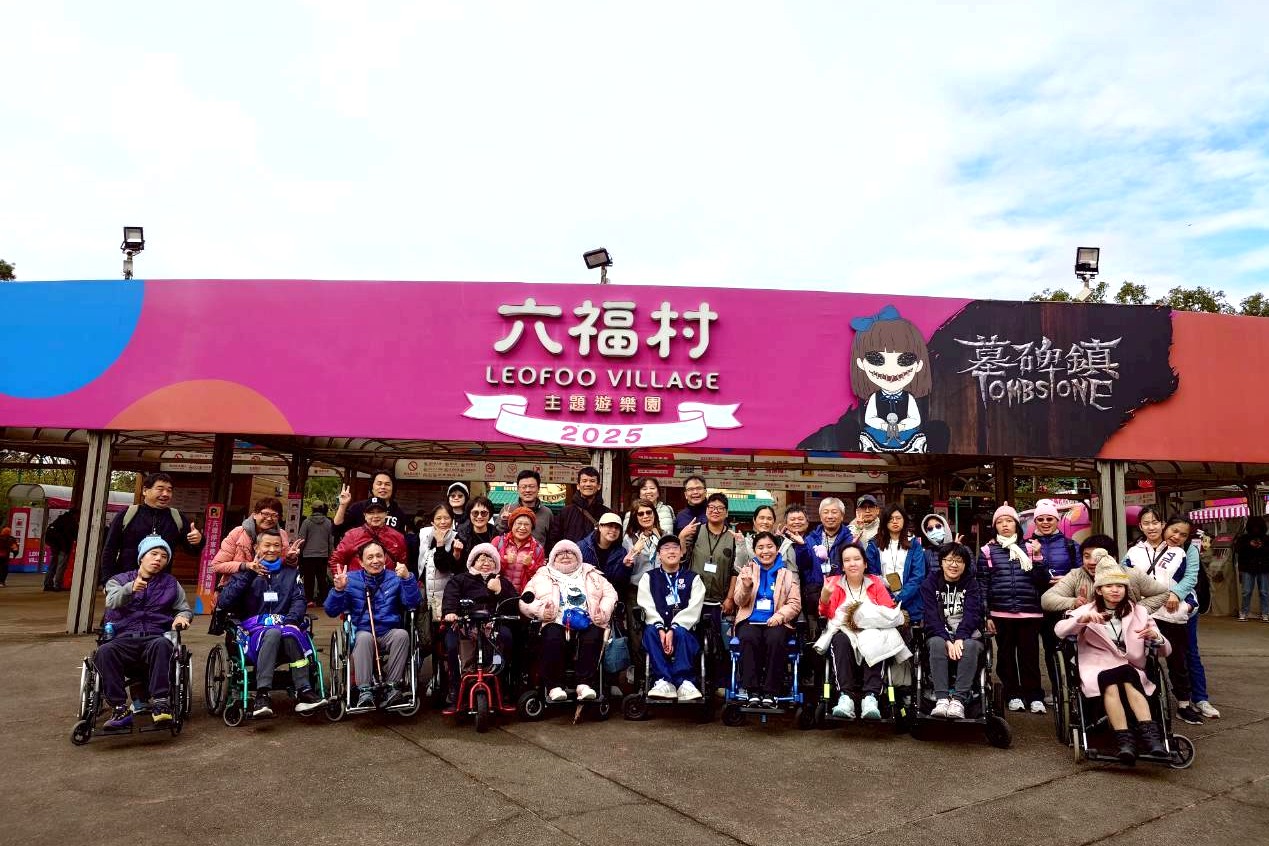
The following morning, the group visited Leofoo Village Theme Park, took a safari bus and a steam train, and watched the parade, wrapping up a memorable two-day event.
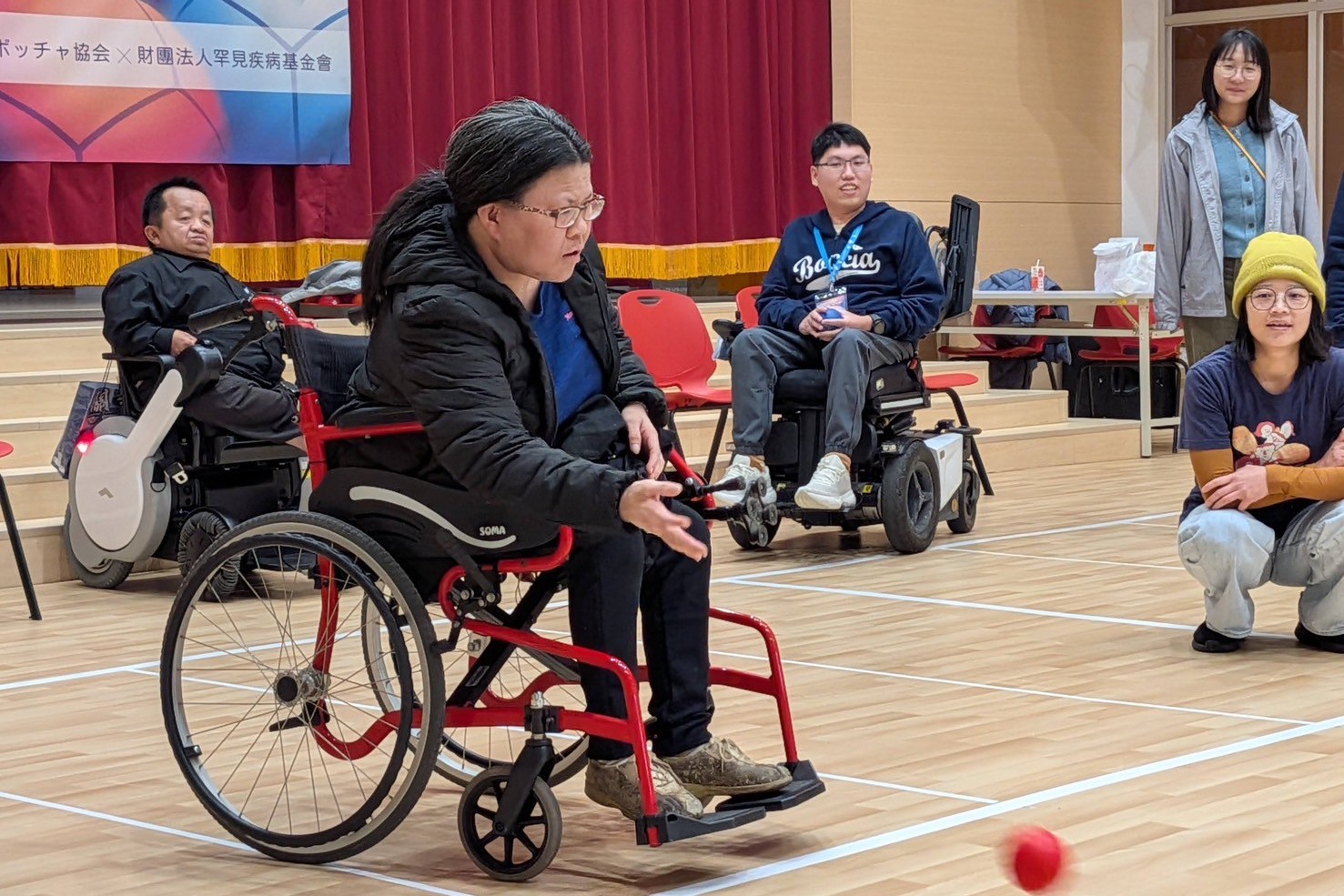
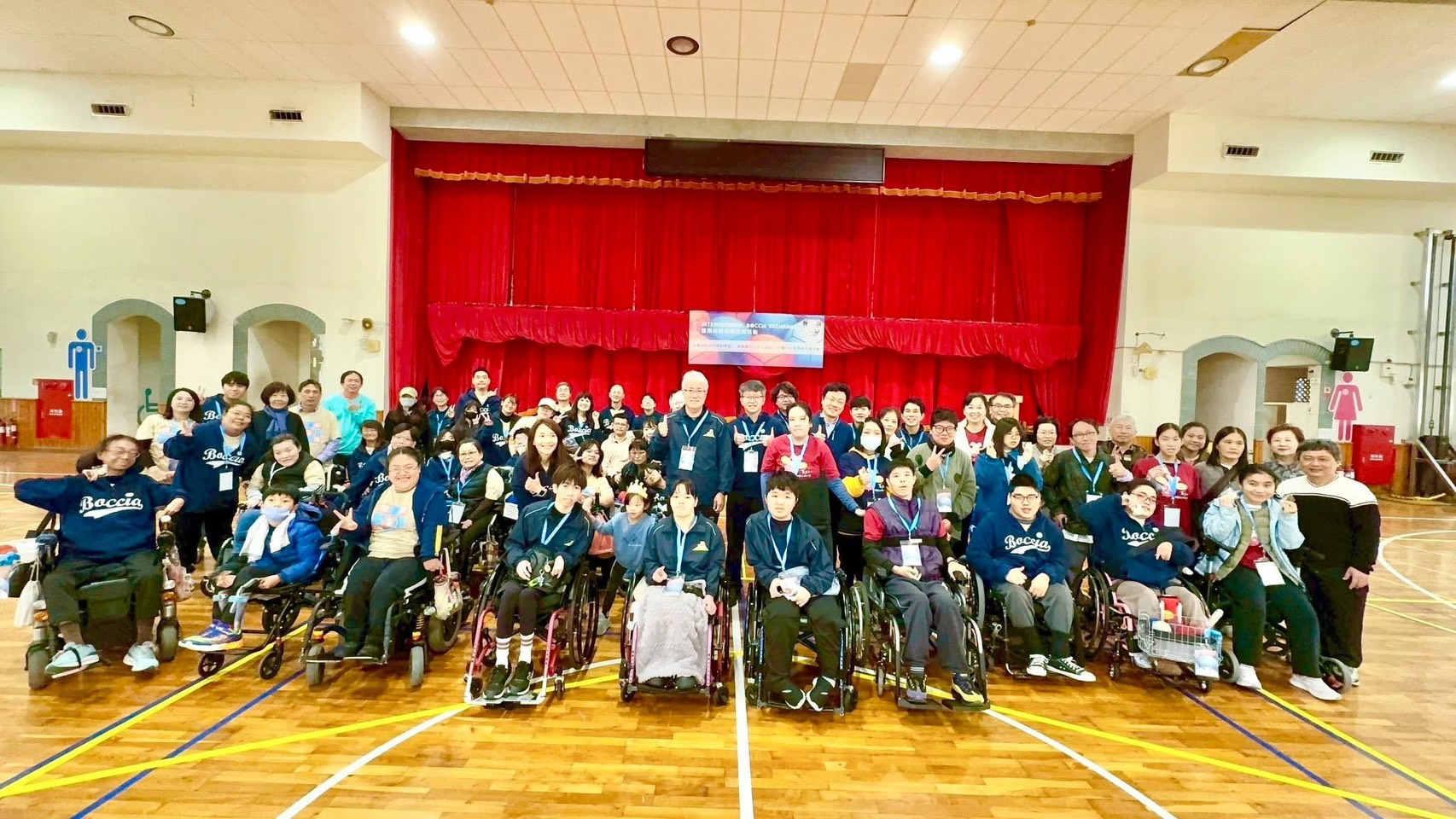
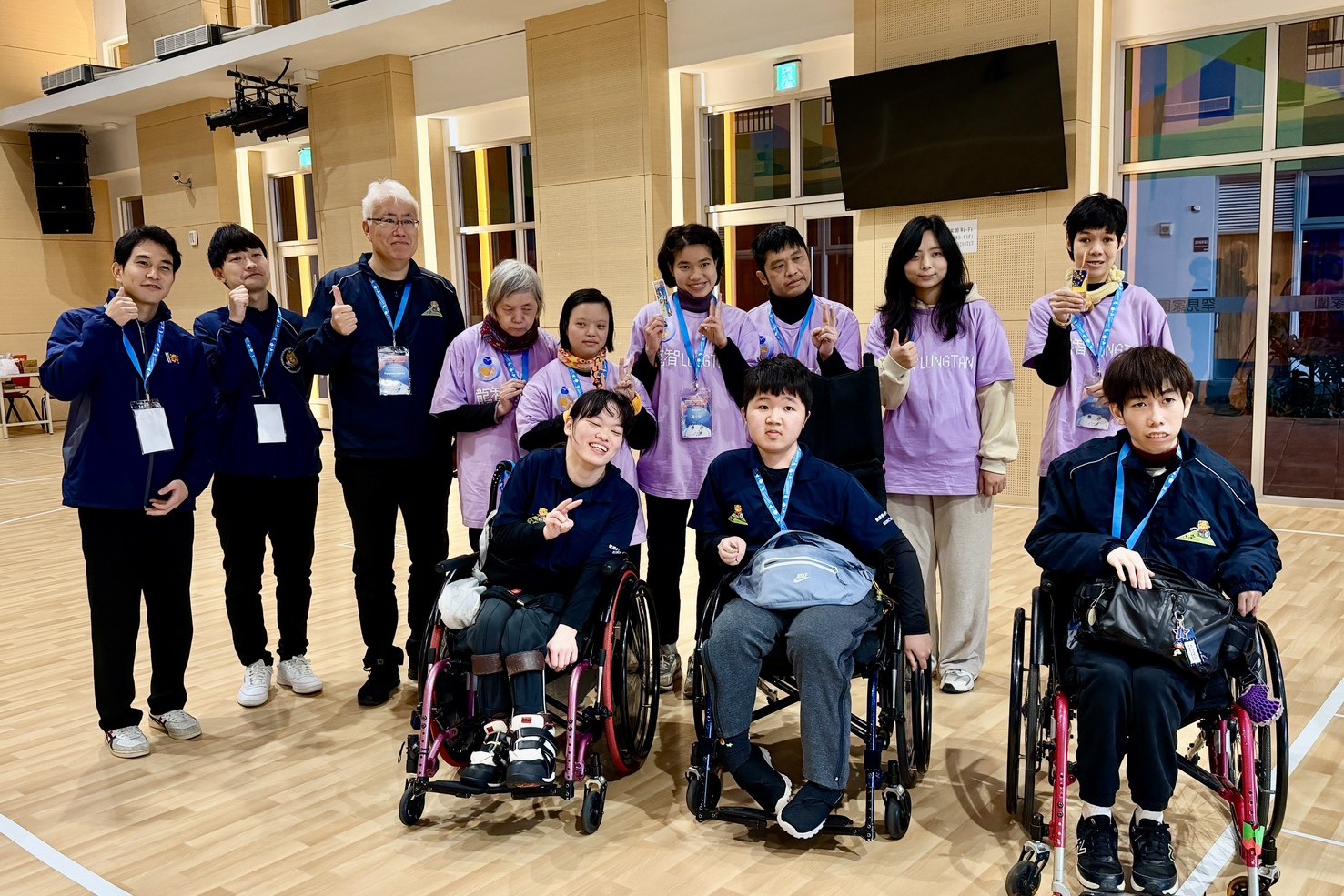
Furthermore, we collaborated with the Taiwan Boccia Sports Federation and the Japan Ehime Boccia Association to hold an international exchange this January. The Ehime Association brought three athletes to visit RDWC. The event invited teams from the Longtan Intellectual Disability Institution and wheelchair users from RDWC to try boccia and play friendly matches. Many first-time participants noted that boccia is perfectly suited for wheelchair users, allowing everyone to enjoy competitive sports filled with laughter. In the evening, a rare disease artisan led a cocktail-making activity to enhance social connection. The Japanese athletes also toured RDWC’s barrier-free and accessible bathing h facilities, expressing great appreciation for the thoughtful design.
On January 24, the exchange tournament took place at New Taipei Special Education School, where the Rare Boccia Team entered two squads. Athletes from Taiwan and Japan competed, shared strategies, and built lasting friendships. This international exchange not only improved the players' tactical skills but also highlighted the spirit of inclusion through sports.
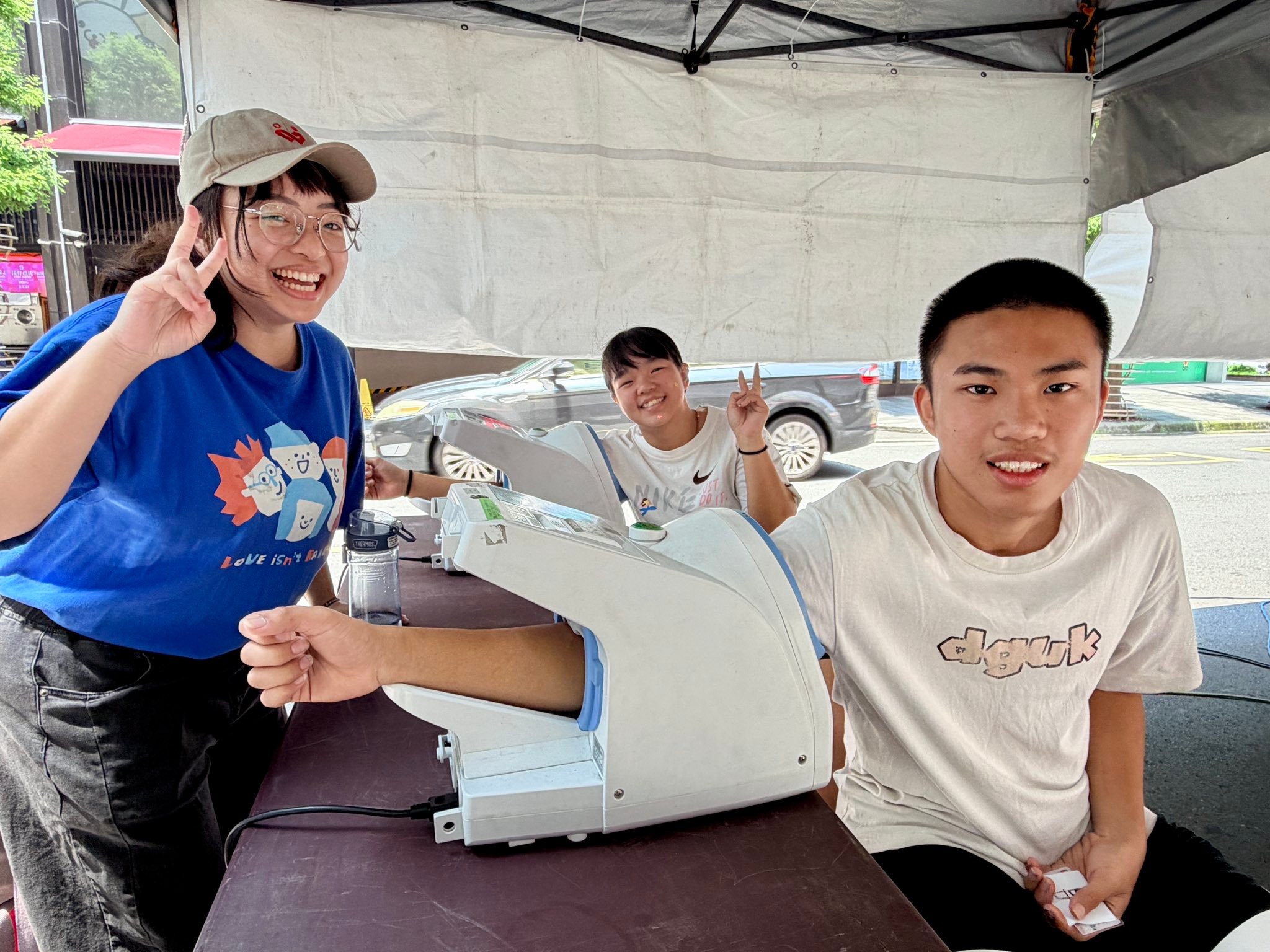
Charity Blood Drive Reaches Historic High!
May.30, 2026
Japan-Taiwan Boccia Exchange
Feb.02, 2026
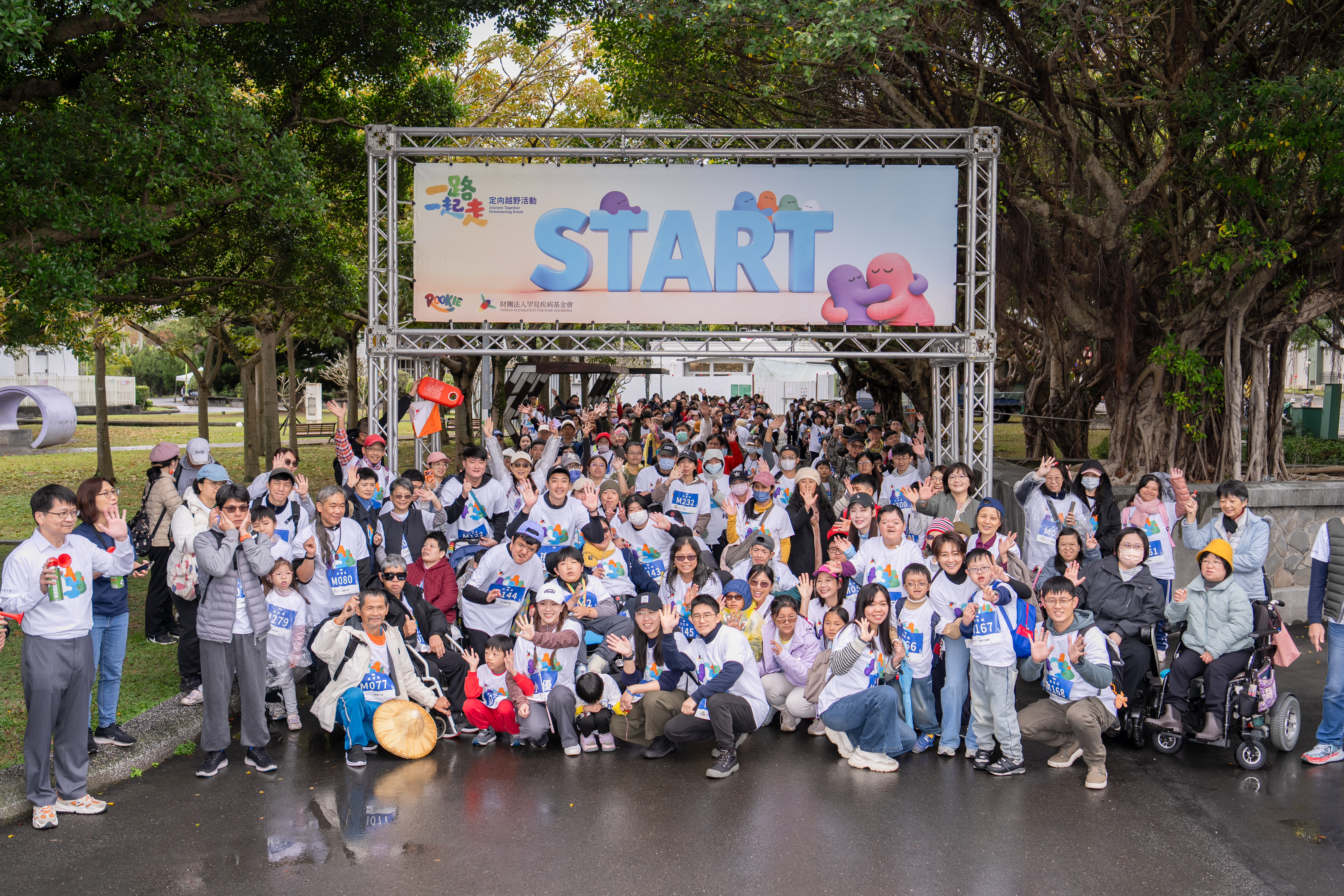
500 Join International Rare Disease Day Event
Feb.01, 2026
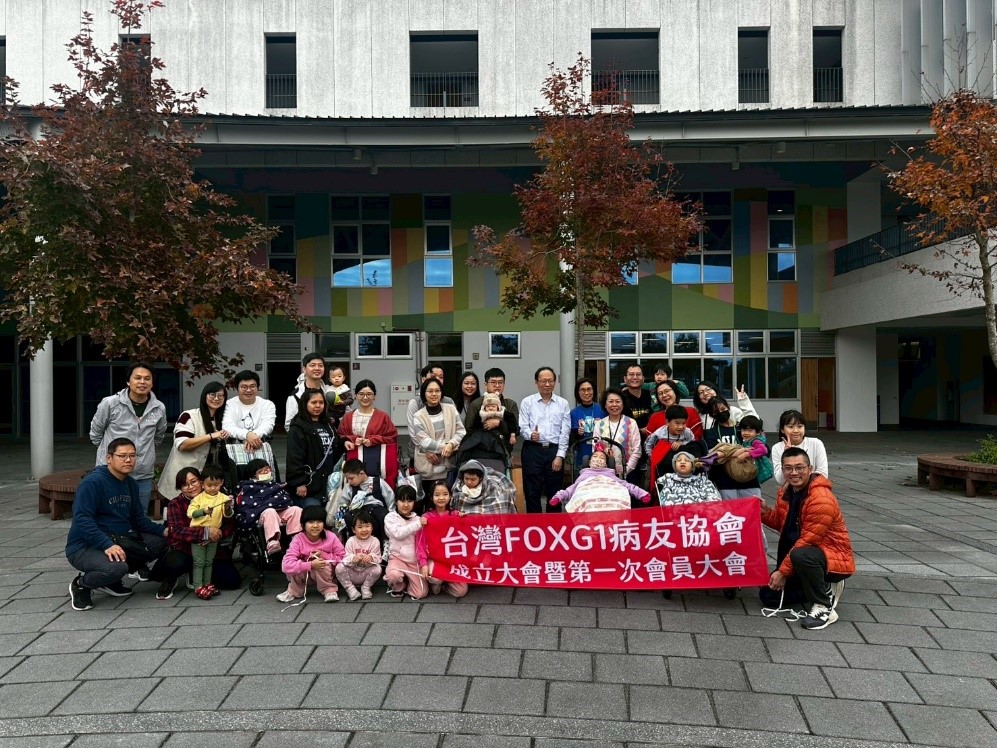
FOXG1 Syndrome Patient Association Established
Jan.11, 2026
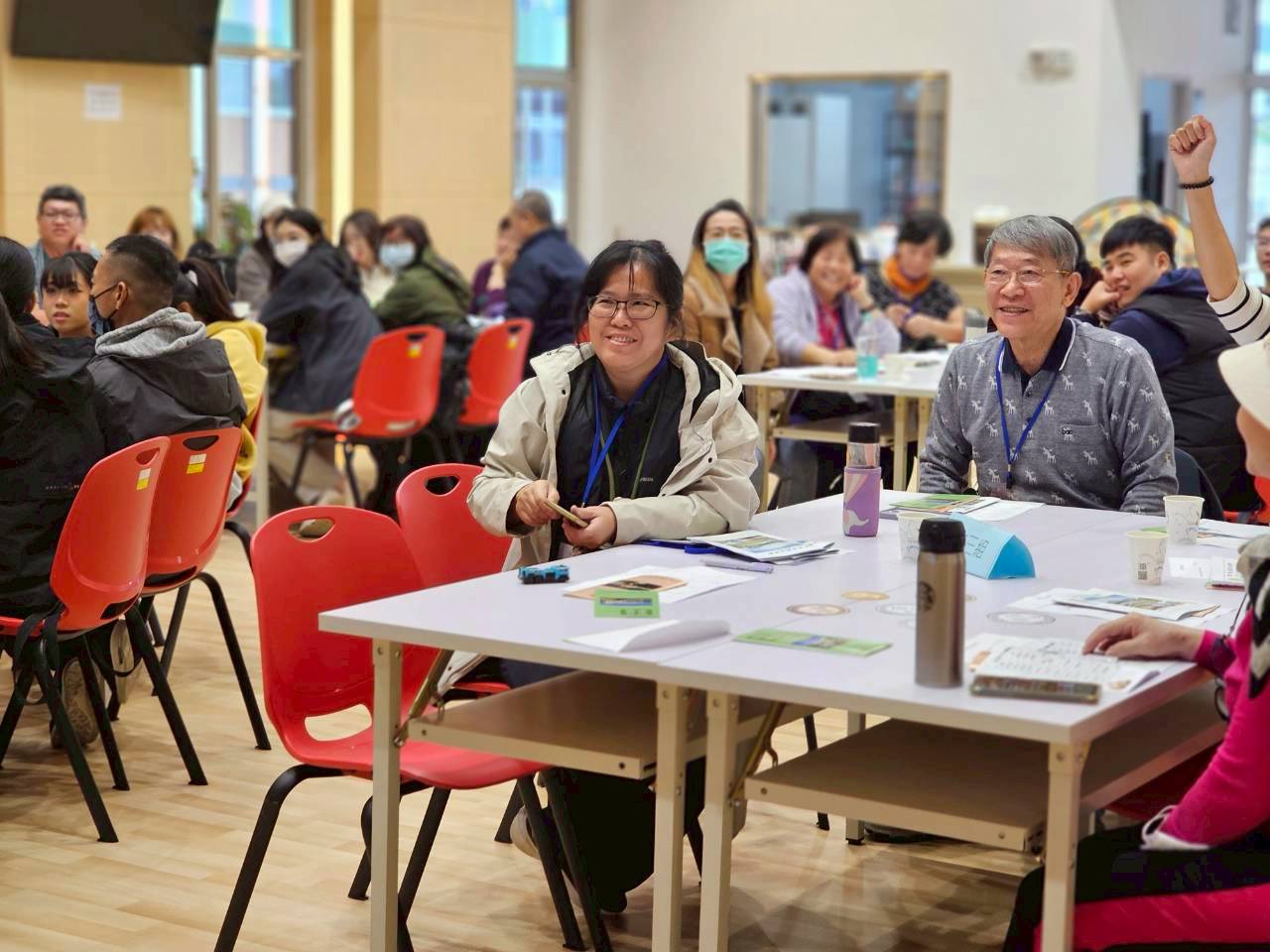
Annual Gathering For Volunteers From All Regions
Dec.22, 2025
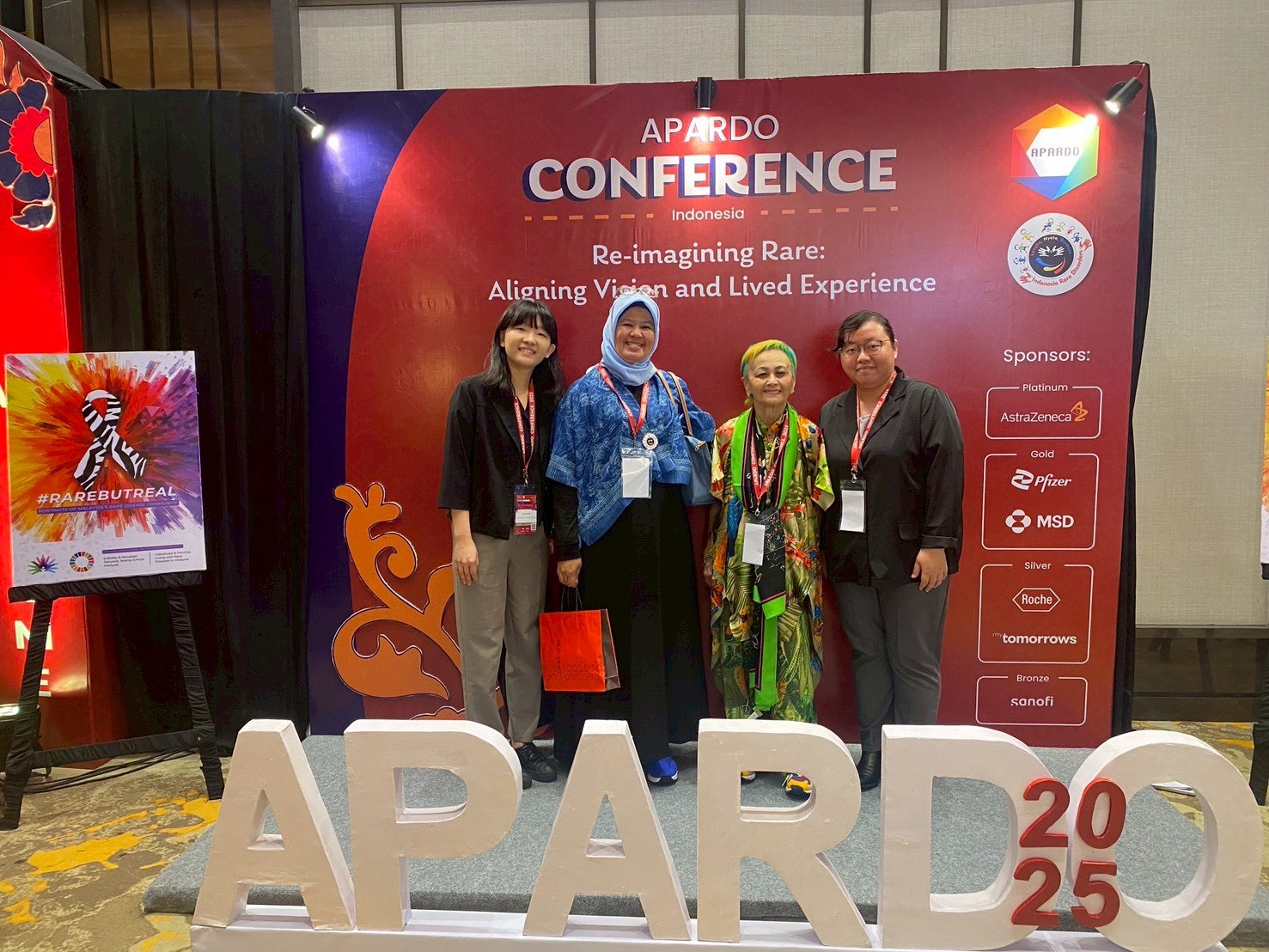
APARDO 10th Anniversary Conference
Dec.01, 2025
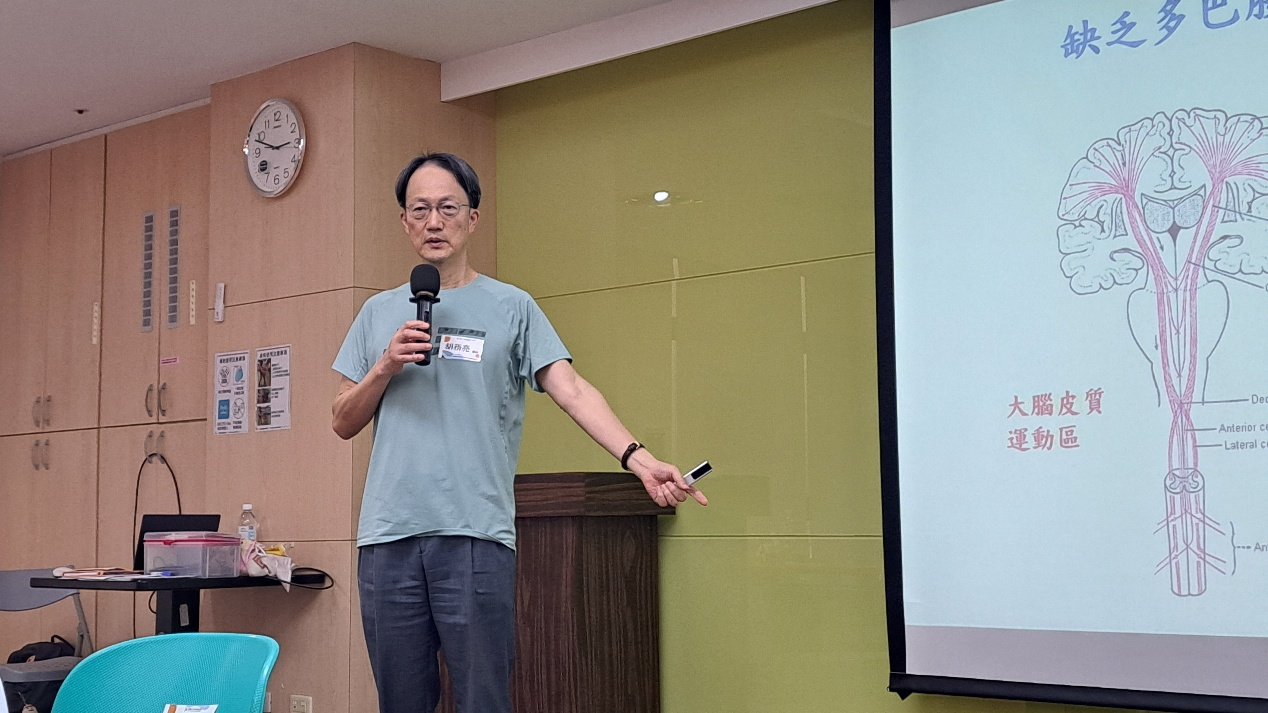
AADC Deficiency Patient Gathering
Nov.30, 2025
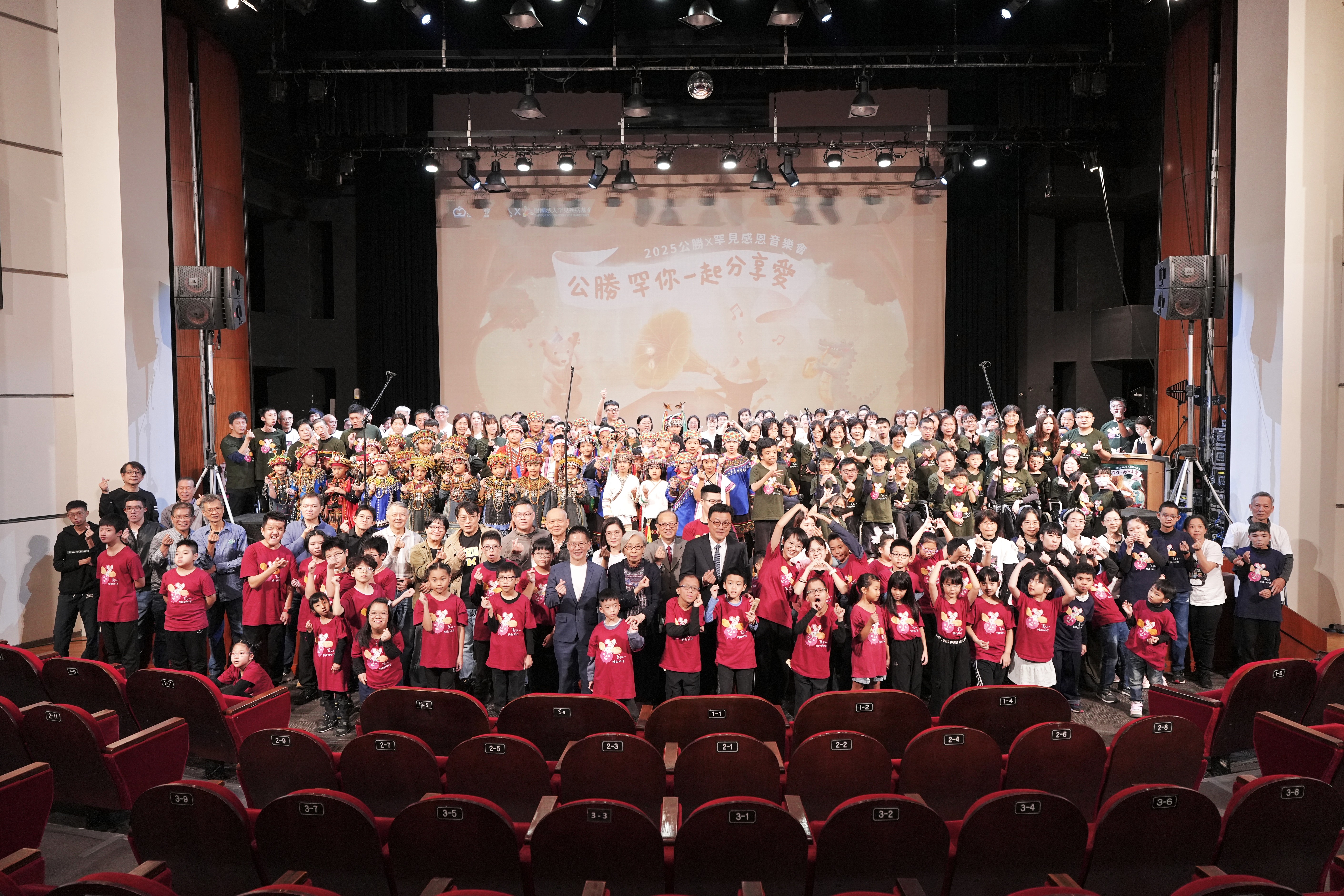
Spreading Love Through Music
Nov.29, 2025