We can't take care of our children forever,
but a well-established system canIn June 1999, a new social terminology emerged in Taiwan's society, where the term "Rare Disease" was previously unheard of.
Two parents believed in the concept that "We can't take care of our children forever, but a well-established system can."
Ms. Serena Wu, and Prof. Min-Chieh Tseng, each with their own children afflicted with rare diseases, undertook the long path to fight for new rights and benefits for rare disease patients. Their determination gathered power from the families of those who suffered similar causes and stunned the entire society with attention. They fought simply for the survival and well being of their beloved ones.
TFRD, established in 1999, has been an active force in advocating for rare disease patients in respect of medication, education, and employment, and will continue to give its best effort to light up the lives of many rare disease patients.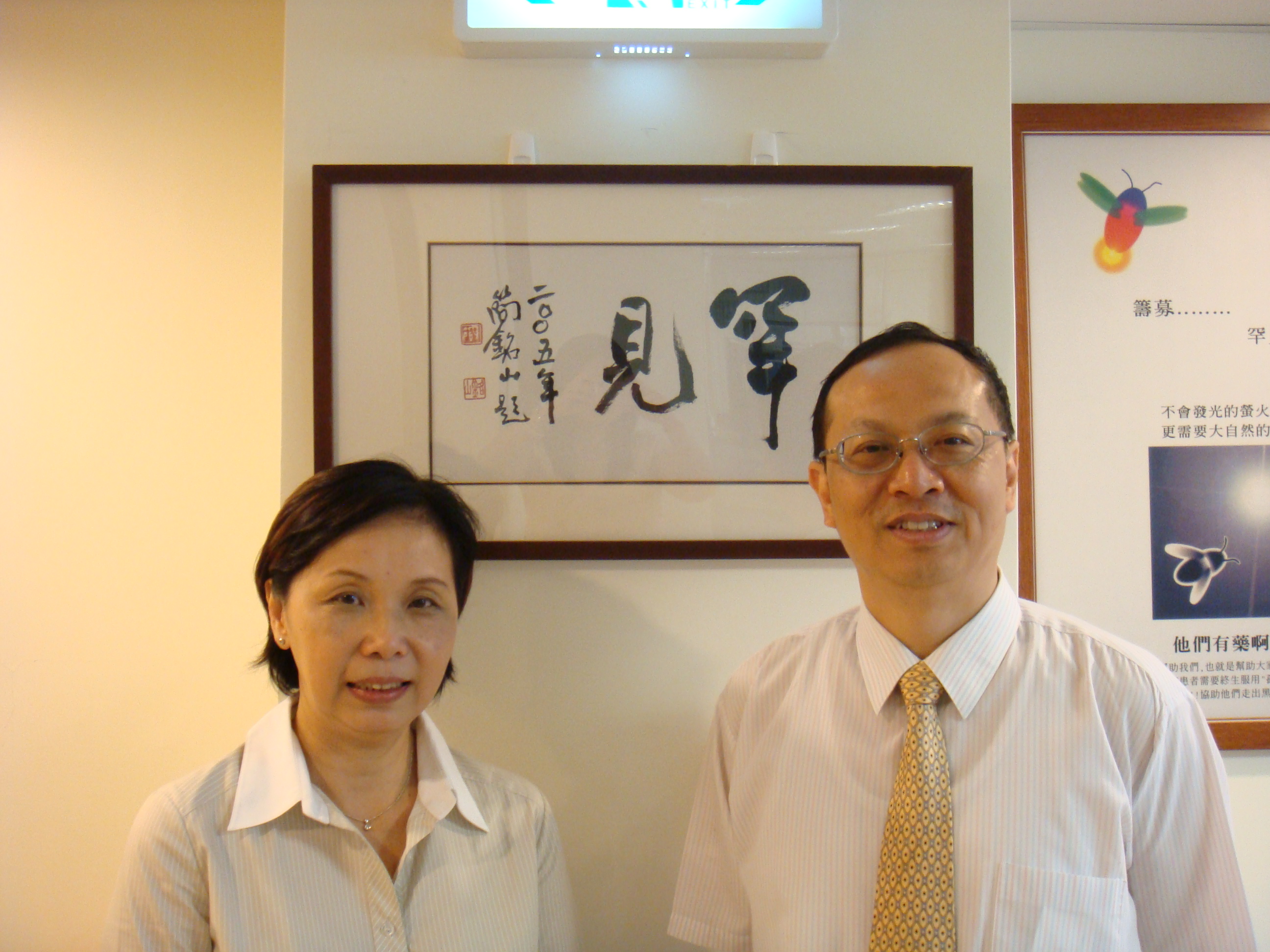
Founder, Ms. Serena Wu (left) ; Co-Founder, Prof. Min-Chieh Tseng (right)
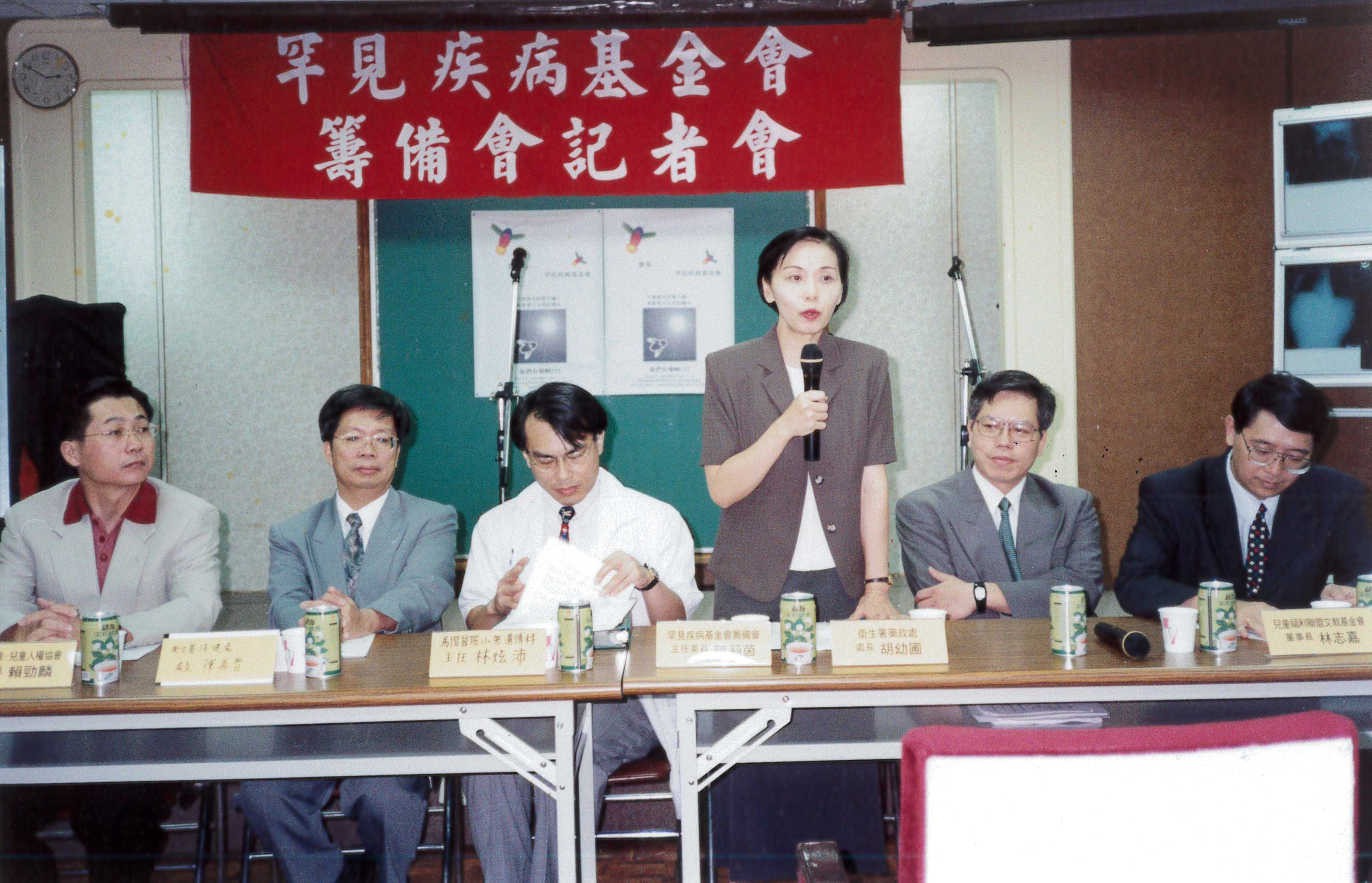
April 7, 1998, the press conference of TFRD Organizing Committee
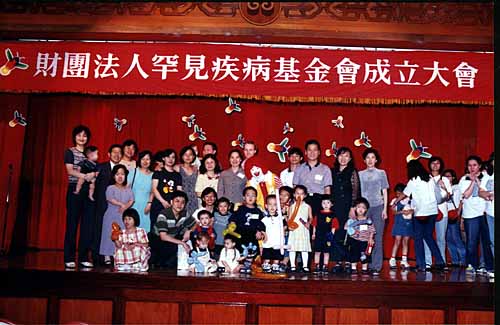
June 6, 1999, the founding assembly of TFRD
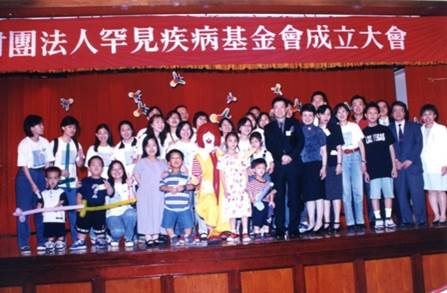
June 6, 1999, the founding assembly of TFRD
Mission
TFRD's mission is to improve the life of rare disease patients. We carry out our mission by assisting rare disease patients to receive proper medical treatment and rehabilitation, securing orphan drugs and special nutrients and fulfilling the needs of rare diseases patients in terms of education, employment and long-term care.
As a representative for rare disease patients in Taiwan, TFRD advocates the adoption of relevant legislation that ensures rare disease patients’rights, encourages rare disease research, and raises public rare disease awareness.
8 MISSION
Care & home-visit of patients & families
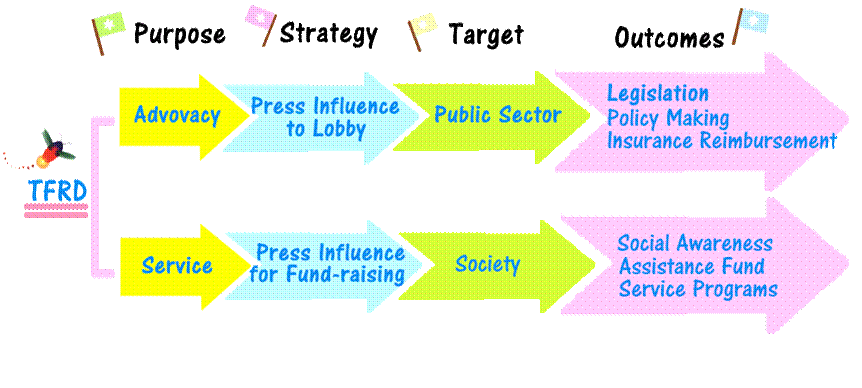
TFRD Model from Advocacy to Service